Producer incentives can further reduce residual waste
New research by Sufficiency and Utrecht University shows that producers can play a larger role in reducing residual waste. Although waste separation and recycling rates in the Netherlands have improved, large amounts of recyclable materials such as packaging, textiles, paper and electronics still end up in residual waste streams.
The study explores three possible incentives within Extended Producer Responsibility (EPR): deposit refund schemes, differentiated EPR fees and making producers financially responsible for their share of residual waste. Differentiated fees and financial responsibility appear to be the most effective and feasible options.
The researchers also stress that stronger cooperation across the value chain and clearer agreements between producers and municipalities are needed to further improve recycling and reuse.
Share this publication



Other relevant publications

E-waste in household residual waste
Inventory of the quantity and different types of e-waste in residual waste for 2023
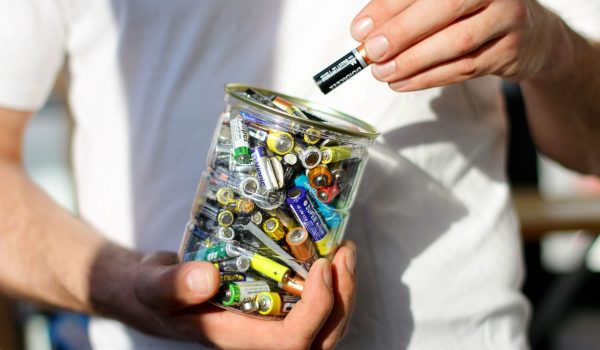
Dutch households and empty batteries
Annual survey into the knowledge, attitude and behaviour of Dutch households regarding empty batteries

Is recovering Neodymium from speaker cabinets meaningful?
Research into the extent to which high-quality magnets with Neodymium occur in discarded speakers and whether recovery is meaningful